

Search Vehicle Records in Maryland by VIN
Whether you want to buy a used car in Maryland, confirm a VIN, or check a vehicle’s history, there is an easy tool to check your car’s VIN. This tool compiles all the vehicle records and other related information into one channel.
MarylandVehicle.org can assist drivers or buyers in making informed decisions about MVA information, title-transfer advice, and vehicle history insights in the Free State.
Let’s develop this point further.
Your Trusted Guide to Maryland Vehicle Records
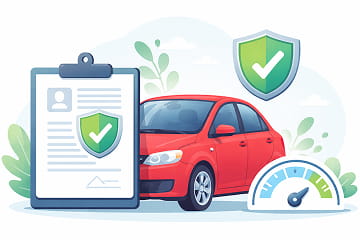
Navigating the MVA's vehicle-record system can be tricky, especially around titles, liens, or branded vehicles. It becomes easy with MarylandVehicle.org. It is a trusted and reliable service that can help drivers find their way with all essential MVA-related topics in Maryland.
MarylandVehicle.org helps you with:
MVA guidance: The website will guide you on how to conduct a title search for a vehicle, renew a license, or clear a lien.
Maryland-specific information: All information attributed to Maryland vehicle laws is listed on the website.
Time-saving insights: It gives you practical steps to avoid mistakes at MVA offices or in the online process.
Practical tips for drivers: The website will walk you through exactly which forms to use, where to send them, and how to pay.
MarylandVehicle.org gathers rules, forms, and local regulations that can keep drivers safe in a single place.
What Your Maryland Vehicle History Report Includes
The Motor Vehicle Administration (MVA) handles driving records, vehicle registration, and title information in Maryland. When you get a vehicle report from a VIN lookup, you will gain access to important details gathered from the MVA database, insurance companies, and law enforcement records.
A typical Maryland vehicle history record may include:
Title history: You can check whether the car has been branded “Salvage” or “Rebuilt” or had a “Salvage Certificate.” Under Maryland’s privacy protections, public vehicle-record requests will not include personal data such as previous owners’ names or addresses.
Registration history: You will know how long the vehicle has been registered in Maryland, and whether it has been transferred between owners.
Odometer readings: Maryland requires odometer readings on some title documents, so you can check them to spot any inconsistencies.
Service and maintenance records: You can get information on the car's regular services, such as oil changes and major repairs.
Recall Status: Detect whether the manufacturer has issued any safety recalls for the vehicle.
Theft records: You can confirm whether the car has been previously reported stolen and recovered.
When you go through this information, you are better informed to avoid buying a vehicle that comes with costly headaches. You can verify the seller’s claims and decide whether to proceed with your purchase.
Why Check Vehicle History in Maryland?
Maryland’s used-car market is like a puzzle. Everyone is looking for an opportunity. It is essential to verify a vehicle’s background, and a vehicle history report can help you in this regard. It can help you not to fall victim to the hands of sales sharks or fraud.
It’s essential to pull up a vehicle’s history in Maryland due to:

Detecting problems
There is a saying, “all that glitters is not gold”, which highlights the situation of the Maryland used car business. A car looks good on the outside. You may find another story on the car's interior.
Maryland's Lemon Law does not cover used cars unless they are still under the warranty of the original manufacturer.
Searching for vehicle records via VIN lookup can tell a comprehensive story about its history. It may reveal hidden damage.

Verifying ownership
Buyers and sellers can verify the chain of ownership to prevent illegal sales and title transfer disputes.

Avoiding fraud
Be aware of fraud. Nowadays, it's catching people unaware. Some sellers tamper with the vehicle’s odometer. CARFAX claims that over 2 million vehicles may have had their mileage altered. So you should get a VIN report to check these inconsistencies.

Complying with Maryland MVA regulations
The Maryland MVA guides the road rules and regulations in the state. The MVA enforces strict emission testing, registration, and title. For example, emissions testing, known as the Vehicle Emissions Inspection Program (VEIP), is required for vehicle registration in certain counties. A vehicle history report will show the extent of compliance.
How Does a Maryland VIN Report Work?
All vehicles have had Vehicle Identification Numbers (VINs) since 1981. This is a 17-digit code that contains specific information about the car, like the country of origin, manufacturer, year, make, model, and engine specifications.
A VIN works as the automotive equivalent of a genetic ID. It is the aggregation of all essential information about a vehicle. It makes it easy for sellers and buyers to search the complete vehicle history. While the VIN is a combination of letters and numbers, each digit represents specific information.
Every VIN is structured into three sections:
The manufacturer identifier: identifies the country and manufacturer
The vehicle descriptor: describes the body, model, and engine type
The vehicle identifier: provides the production and serial information
To start, you’ll need to first find the VIN by looking at the driver’s side of the dashboard.
Here's how the search process works on the site:
1. Find your VIN
Find the 17-digit VIN on the vehicle's registration documents or use the guide below.
2. Enter the VIN into the search tool
Enter the VIN on MarylandVehicle.org’s VIN lookup tool on the homepage
3. The website scans official databases
The search will compile a vehicle history report from MVA records, police reports, and insurance databases.
4. Receive the report
Your vehicle history report will be ready within moments with reliable results you can trust.
The report will include:
Title History
Records
Readings
Readings
Information
Inspection History
A VIN report is vital for all parties. Through the report, they can make better-informed decisions and avoid legal issues. MarylandVehicle.org is useful for verified reports that give peace of mind.
How to Find the Vehicle's VIN Number?
You can easily identify your VIN by checking the following locations:
Check the driver's side dashboard through the windshield.
On a sticker inside the driver's door frame.
On official documents such as the title, registration, or insurance policy.
Maryland Vehicle Statistics
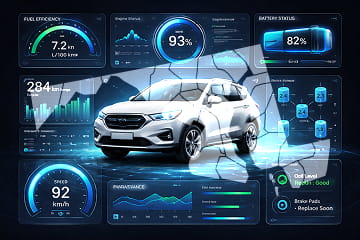
The Free State has over 5 million registered vehicles, 37.4% of which are cars, 39.4% UVs, 14.3% pickups, and 6.7% vans/minivans.
According to the Maryland Zero Emission Electric Vehicle Infrastructure Council (ZEEVIC), over 120,000 electric vehicles (EVs) are registered in Maryland. As EV charging infrastructure continues to expand across the state, more residents will join the bandwagon.
The four most popular used cars in Maryland are consistently the Ford F-150, Toyota Camry, Honda Accord, and Toyota RAV4 or Honda Civic.
FAQ
Do All Vehicles Have a VIN?
Yes, the National Highway Traffic Safety Administration (NHTSA) enforces that all vehicles from 1981 onwards have a VIN.
What specific details does the VIN report reveal about accidents?
The VIN can reveal the vehicle's free accident records. The report includes data on the type of accident, the date, the location, and the severity of the damage. The report can also share the title brands and whether the insurer has written the car off.
Does the report show who the previous owner was?
Because of privacy laws, a standard Maryland Vehicle History Report will not show the name of the previous owner. But it will show the number of previous vehicle owners. For official ownership records, submit an official request form (like the DR-057) to the Maryland MVA, either online via their record services for approved users or by mail.
Do I need the VIN or the license plate number to run a search?
Yes, both the VIN and the license plate number are unique identifiers. You can use both, but some services will require the VIN for more detailed vehicle history reports.
How long does it take to receive the full vehicle history report?
When using MarylandVehicle.org, you’ll receive the full vehicle history report instantly.
What if the VIN or Plate I enter shows no records?
This can happen for a number of reasons, like errors in entering the correct VIN or a system error with the database. It’s recommended that you check you have entered the VIN correctly.